Remember that moment of inspiration? Perhaps you encountered a stunning ceramic piece adorned with peonies in a gallery or a thoughtfully designed space. You wanted that particular beauty, that sense of artistry, in your own home. Yet, searching for these pieces can be overwhelming. How do you sift through the options to find something that feels truly special?
Step 1: Define Your ‘Why’ Before You Buy
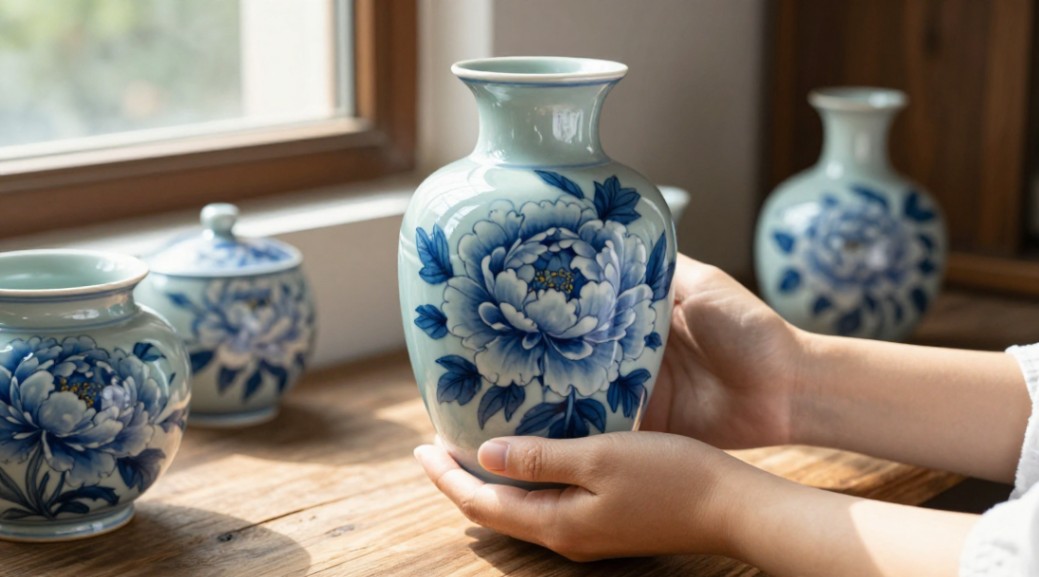
Peony ceramics span a wide range. The term covers everything from functional tableware to sculptural art. Your first consideration is intention. Are you looking for everyday Peony Ceramic Tableware, a statement Peony Ceramic Vase, or a delicate Peony Ceramic Ornament?
Clarifying this purpose streamlines your search. It informs the appropriate material, size, and glaze type, ensuring you select a piece that fits its intended role beautifully.
Step 2: Spotting Authentic Handmade Peony Ceramics
Discerning craftsmanship is key. Here are details to examine:
- The Base: Turn the piece over. Look for an unglazed foot ring showing the raw clay, slight irregularities, or a studio stamp—these often indicate human hands.
- Brushwork: Authentic Hand-painted Peony Ceramics show natural variation in stroke pressure and tonal gradation. Printed designs appear uniform and flat.
- Form: Hand-thrown or sculpted pieces often embrace a gentle, pleasing asymmetry, whereas perfect symmetry can signal factory production.
Step 3: Understanding Key Peony Ceramic Styles
“Peony” design is not monolithic. Familiarizing yourself with different approaches helps refine your taste.
- Blue and White Peony Ceramics: The classic style, utilizing cobalt oxide on white porcelain for a timeless look.
- Famille Rose Peony Porcelain: Known for soft, opaque enamels in pink-based palettes, creating a lush and luxurious effect.
- Underglaze Peony Porcelain: The design is applied to the raw clay before glazing, resulting in a durable surface ideal for tableware.
- Relief Peony Ceramics: Features three-dimensional sculpted blooms, creating dramatic texture and shadow play.
- Modern & Neo-Chinese: These styles often simplify forms, featuring minimalist or abstract interpretations of the peony motif.
Step 4: Where to Look for Quality Pieces
Your sourcing channel greatly influences the pieces you’ll discover.
- Direct Artist & Studio Websites: Ideal for unique art pieces and connecting with the maker’s narrative.
- Curated Online Craft Marketplaces: Platforms that vet their sellers can offer a good range of handmade Peony Ceramic Gifts.
- Artisan Fairs and Gallery Shops: Physical viewing allows you to assess weight, texture, and glaze quality firsthand.
- Specialized Retailers: Shops focusing on tableware or specific cultural arts often provide curated selections.
- For Bulk or Business Needs: Terms like Peony Ceramics Wholesale lead to manufacturing sources, typically involving minimum order quantities.
Step 5: Evaluating Quality From Product Photos
When shopping online, detailed imagery is essential. Reputable sellers provide comprehensive photos.
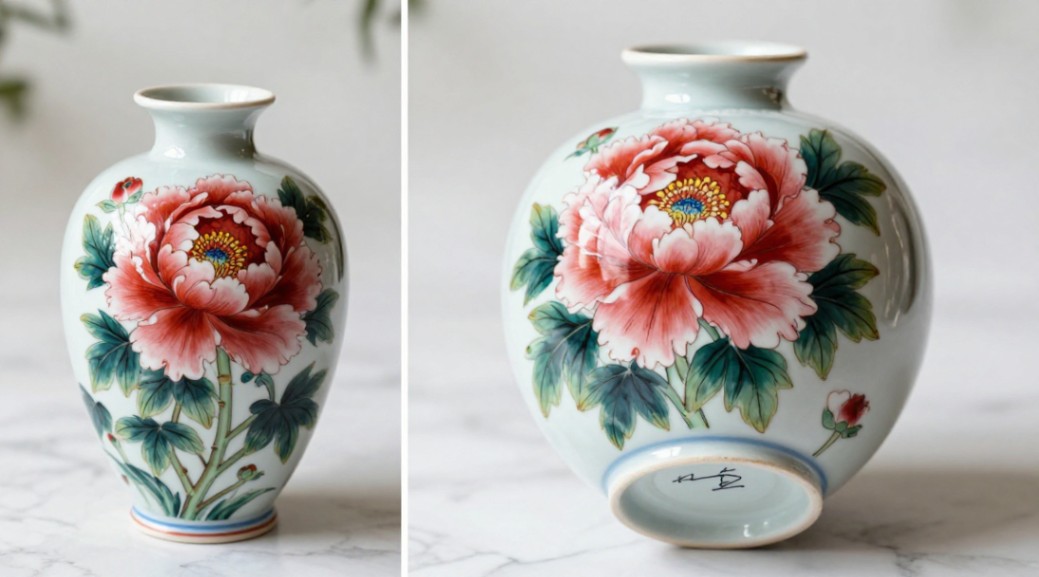
- Demand a Base Photo: This reveals crucial details about the piece’s construction.
- Zoom on the Glaze: Look for even coverage. Note that fine cracking (crazing) can be an intentional stylistic effect or a flaw.
- Check the Design Alignment: On a cylindrical form, check how the painted scene meets at the seam. Poor alignment can indicate less care.
- Look for Context Shots: Images showing the piece in a setting provide vital scale and aesthetic context.
Step 6: Caring for Your Ceramic Investment
Proper care ensures your piece endures. Always defer to the maker’s instructions, but general principles apply.
- Washing: Hand-wash handmade pieces with mild detergent. Avoid abrasive scrubbers and dishwashers to preserve the glaze.
- Thermal Shock: Avoid sudden, extreme temperature changes, such as moving a piece from a hot oven to a cold surface.
- Display: Protect pieces from intense, direct sunlight to prevent potential fading of overglaze colors over long periods.
- Use: Respect the piece’s intended function. A decorative ornament may not be watertight, just as a functional vase should be.
Navigating Common Purchase Scenarios
Let’s apply these insights to real decisions.
Scenario: The Meaningful Wedding Gift. For Wedding Peony Ceramics symbolizing prosperity, a commissioned piece from an artist becomes a personalized heirloom. Your search focuses on custom artisans capable of bespoke work.
Understanding Price Ranges. Price reflects materials, time, skill, and reputation. A small studio ornament may be modestly priced, while a substantial, hand-painted vase from an established artisan represents a greater investment. This spectrum of value is a hallmark of the craft. For those drawn to this art form, exploring studios like those associated with the CATSWING collective can offer insight into contemporary approaches that balance tradition with modern aesthetic sensibility.
Ultimately, when a particular artist’s work resonates with you, learn about their creative journey. This deeper connection to the craft and its symbolism—whether rooted in heritage or contemporary innovation—is what makes living with these pieces so uniquely rewarding.
发表回复
要发表评论,您必须先登录。