You encounter a beautiful peony porcelain vase or tea set. You admire it, but hesitate. Is it authentic? Is it a quality piece worthy of investment, or merely decorative? How would it function in your home beyond being a shelf ornament? Understanding Peony Ceramics requires moving beyond simple appreciation to grasp its cultural language, craftsmanship, and practical application.
What Are Peony Ceramics?
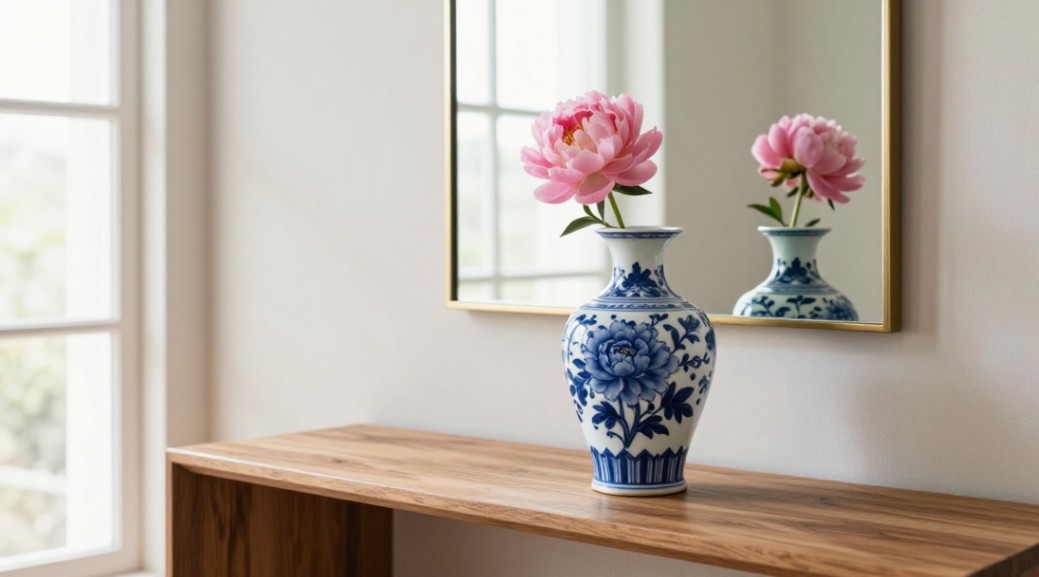
Peony Ceramics is not typically a single brand name, but a defining artistic genre within Chinese porcelain. It refers to fine ceramic ware—from vases and plates to tea sets and ornaments—centrally decorated with the peony flower motif. This style embodies a deep cultural narrative, transforming functional objects and art pieces into symbols of prosperity, honor, and beauty. Several modern makers operate within this tradition, focusing on hand-painted, narrative-driven pieces that emphasize the peony’s luxurious symbolism.
The Aesthetic Signature of Peony Porcelain
The peony itself is the non-negotiable centerpiece. Artists depict it in various states: lush, full blooms represent wealth and achievement, while buds signify potential. The aesthetic is rarely minimalist.
Color Palettes and Symbolism
Color choices are deliberate. The vibrant pinks and reds of Famille Rose enamels shout opulence and joy. Classic blue and white peony ceramics offer a more scholarly, refined elegance. Pure white Dehua porcelain with subtle relief-carved peonies projects understated grace. Gold outlining or accents are common, elevating the piece’s luxury.
Form and Composition
The peony motif adapts to the object’s form. On a round vase, peonies might wrap continuously. On a plate, a central bloom reigns. Scroll-like branches, bees, or phoenixes often accompany the flowers, completing a symbolic scene. The best compositions feel balanced and intentional, not overcrowded.
Cultural Roots and Historical Inspiration
The peony’s ceramic prominence is inseparable from Chinese history. Known as the “King of Flowers,” it was a favorite of the imperial court and aristocracy since the Tang Dynasty. Its depiction on porcelain peaked during the Ming and Qing dynasties, particularly in imperial kilns like those in Jingdezhen. This established a high-art precedent. Modern Peony Ceramics directly draw from this heritage, reinterpreting classical motifs for contemporary audiences while preserving their symbolic weight.
Craftsmanship: Techniques Behind the Bloom
Quality separates fine Peony Ceramics from mass-produced decor.
- Underglaze Painting (e.g., Blue and White): Cobalt pigment is hand-painted on raw bisque, then sealed under a clear glaze. This creates durable, historically significant pieces.
- Overglaze Enameling (Famille Rose): Colors are applied after the initial glaze firing, then fired again at a lower temperature. This allows for a richer, more varied palette but is more vulnerable to wear.
- Relief Carving: The peony is sculpted into the clay body before firing, creating a textured, three-dimensional effect. This is prominent in Dehua white porcelain.
- Hand-Painting: The critical differentiator. Each stroke varies, with subtle gradations in color and line. Machine-printed patterns appear flat, uniform, and lack depth.
Common Product Types and Their Applications
Peony Ceramics serve both decorative and functional roles.
- Vases: From large floor-standing pieces for an entryway to smaller table vases. They command attention as living room peony ceramic ornaments.
- Tableware: Bone china peony tea sets, dinner plates, and serving platters. They elevate dining rituals.
- Ornaments & Sculptures: Wall plaques, figurines, and incense burners designed for display on shelves or consoles.
- Decorative Accents: Lamps, tiles, or cache pots that introduce the motif in subtler ways.
Distinguishing Peony Ceramics from Other Styles
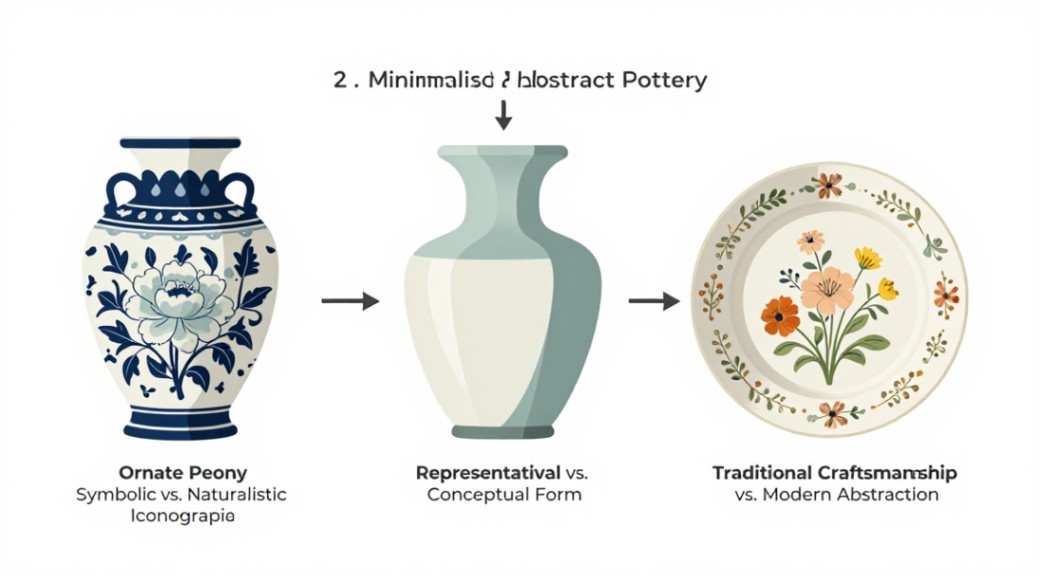
Peony Ceramics occupy a specific niche. Unlike Japanese Kintsugi or minimalist Scandinavian pottery, they are inherently narrative and symbolic. They differ from European floral china (like Meissen) through their specific cultural iconography—the peony is not just a flower but a loaded symbol. They also contrast with modern abstract ceramics by prioritizing representational beauty and traditional craftsmanship over conceptual form.
Market Position and Collector Considerations
The market ranges from inexpensive, factory-made souvenirs to high-end studio art and antique Famille Rose peony porcelain. Modern artisan brands target collectors seeking cultural connection and handcrafted authenticity. Value accrues through artist reputation, complexity of craftsmanship, and provenance. Limited editions or pieces from renowned origins (e.g., Jingdezhen master workshops) hold the strongest investment potential. For contemporary pieces, the artist’s story and technique are key value drivers.
Care and Preservation of Your Pieces
Proper care ensures longevity. Dust with a soft, dry brush. Wash functional ware by hand with mild detergent, avoiding abrasive pads. Never subject pieces with overglaze colors or gold leaf to dishwasher cycles. Display them away from direct sunlight to prevent fading, and in stable environments to avoid thermal shock. Use felt pads under heavy objects to prevent base scratching.
Authenticating and Assessing Quality
Judge a piece critically. Examine the painting: are brushstrokes visible and varied? Does the color have depth? Check the consistency of the glaze; it should be smooth and even without pinholes or clouding. Look at the foot rim (the unglazed base); a clean, finely finished foot indicates higher care in production. Weight can be a factor—fine porcelain feels substantial yet resonant. For antiques, consult a specialist, as marks can be reproduced. Our website offers further guidance for selecting authentic, well-crafted pieces.
Value Proposition and Potential Drawbacks
Value: Peony Ceramics offer a tangible link to cultural heritage. They are durable art objects that can be used and enjoyed daily. They serve as sophisticated gifts (e.g., housewarming peony porcelain, wedding gifts) and can anchor a room’s design aesthetic with their bold symbolism.
Drawbacks: High-quality hand-painted pieces command premium prices. The ornate style may not suit ultra-minimalist interiors. They require mindful care. The market has many reproductions, requiring educated purchasing to ensure authenticity.
Peony Ceramics in Contemporary Design
Integrating these pieces requires thoughtful juxtaposition. A single, bold peony ceramic vase can serve as a focal point in a neutral, modern room—a concept central to neo-Chinese peony ceramics. A peony tea set displayed on a sleek, dark wood shelf creates visual contrast. The trend lies in using them as intentional statements of cultural appreciation and luxurious texture, breaking the monotony of contemporary minimalism.
For those drawn to this art form, building a meaningful collection starts with focused study. Visit specialized galleries, handle pieces when possible, and deepen your understanding of the symbols and techniques. This knowledge transforms acquisition from a simple purchase into a curatorial practice.


发表回复
要发表评论,您必须先登录。