Ceramic art featuring the peony flower constitutes a specialized category of fine porcelain and pottery, distinguished by the deliberate focus on this culturally significant bloom. More than simple ornamentation, the motif acts as a direct conduit for symbolic values, gracing objects from historic vessels to contemporary home accents. This analysis explores the journey of this design, from its imperial origins to its role in modern aesthetics.
What Are Peony Ceramics? A Definition of Motif and Form
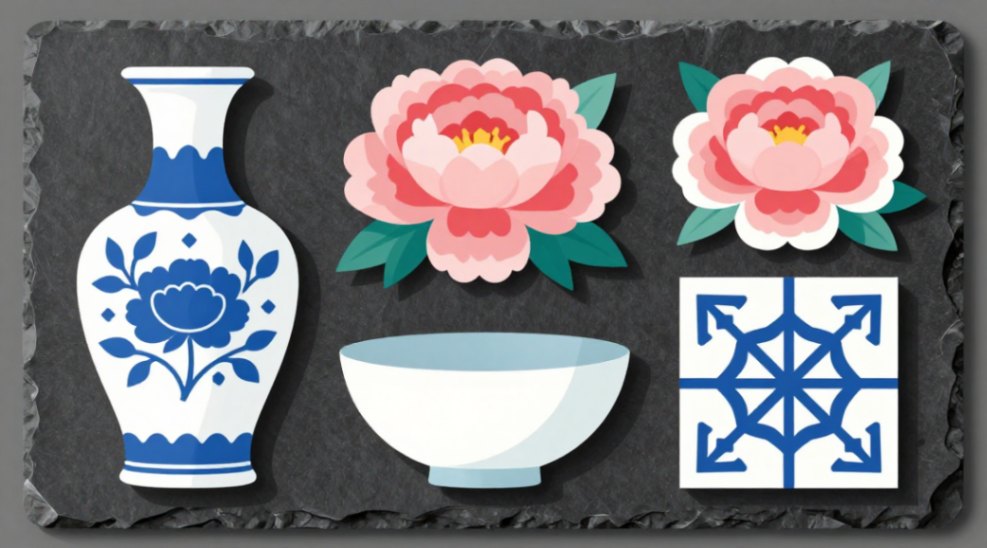
These are ceramic items—including vases, plates, jars, and tea sets—where the peony (Paeonia suffruticosa) is the principal decorative subject. Representation ranges from minimalist, stylized forms to highly detailed, naturalistic paintings. The key distinction is the intentional centrality of the peony, setting these pieces apart from ceramics adorned with generalized floral arrangements or mixed botanical scenes.
Historical Roots and Cultural Significance
The peony‘s firm establishment in Chinese ceramic art occurred during the Tang Dynasty (618-907 AD), an era of remarkable affluence and cultural achievement. Revered as the ‘king of flowers,’ it embodied imperial authority, prosperity, and noble grace. Its opulent, layered blossoms reflected the court’s grandeur, a symbolism expertly translated onto the period’s most esteemed medium: porcelain. The practice thrived in later dynasties, with each epoch interpreting the flower through its dominant artistic lens. Song Dynasty pieces often show subtle, understated depictions, while Ming and Qing artisans favored vivid, elaborate paintings, frequently utilizing the prized famille rose color palette.
Key Characteristics of the Peony Design
Certain visual attributes define exemplary peony designs. Compositionally, the flower is typically shown in profile or three-quarter view to emphasize its voluminous shape. Artisans skillfully balance intricate blossom clusters with open space, preventing visual overcrowding. Color symbolism is critical. Deep reds and pinks denote riches and romantic affection. White peonies suggest purity and scholarly elegance. A regal purple hue conveys dignity and elevated rank. The peony is seldom solitary; it is often accompanied by rocks (signifying stability), butterflies (representing ephemeral beauty), or other blooms like the lotus, weaving layered stories within a single object.
Techniques and Styles in Production
Crafting these ceramics involves a spectrum of decorative methods, each yielding a unique aesthetic and tactile quality.
- Underglaze Painting (e.g., Blue and White): Pigment, typically cobalt oxide, is applied to the unfired clay body. A transparent glaze is then added and the piece is high-fired, sealing the design under a durable, glassy surface—a hallmark of classic Ming-era porcelain.
- Overglaze Enameling (e.g., Famille Rose): After an initial glaze firing, colored enamels are painted onto the glazed surface, followed by a lower-temperature firing. This permits a wider, more vivid range of colors, including the soft pinks and corals definitive of Qing Dynasty works.
- Relief Carving and Molding: The motif is carved into the leather-hard clay or built up from it before glazing. This creates a textured, three-dimensional effect where the design can be physically felt.
- Pure White Porcelain (Dehua): In traditions like Dehua, the ‘peony’ is expressed solely through form. A masterfully sculpted white porcelain vase might take the shape of a blossom, capturing the flower’s essence through its luminous material and silhouette alone.
Primary Forms and Modern Applications
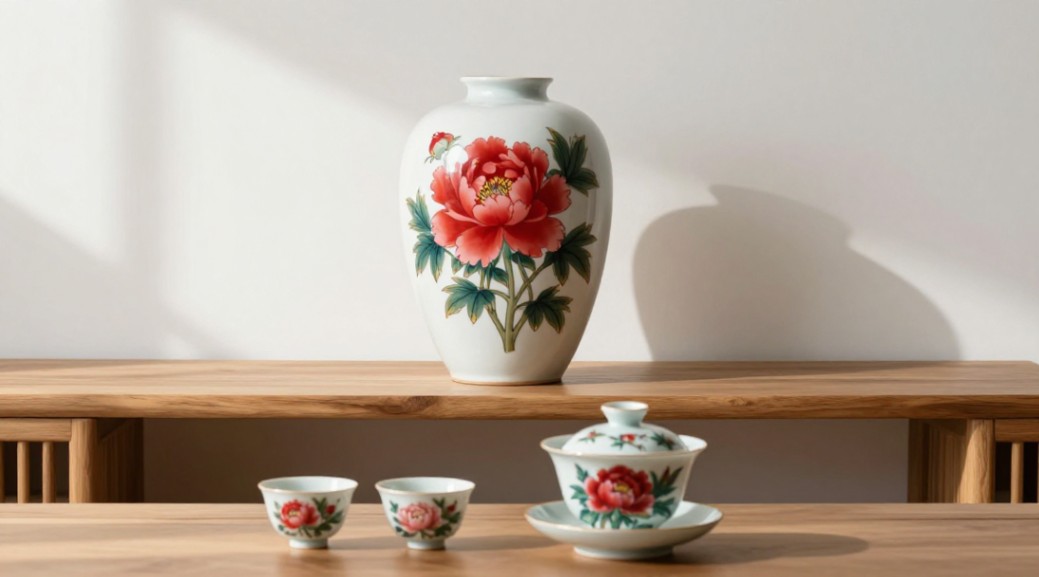
The peony motif gracefully adapts to numerous functional and decorative forms. Traditional types encompass monumental display vases, ceremonial altar sets, intricate tea ware, and decorative tiles. In contemporary settings, applications have broadened. Designers integrate such pieces as accent elements within minimalist interiors, where a single, finely painted vase offers a vibrant focus. Elegant tea sets blend ceremonial heritage with everyday use, while patterned tableware introduces symbolic depth to dining. Smaller ceramic ornaments function as meaningful gifts, conveying wishes of prosperity for new homes or honor as corporate keepsakes. The artisans at CATSWING approach this tradition with a focus on detail and durable, high-quality materials suitable for both decor and gifting.
Symbolic Language and Conveyed Meaning
The peony operates within a precise symbolic lexicon. In business, a ceramic featuring this flower conveys a wish for the recipient’s success and esteemed position. For a wedding, it symbolizes a joyful, respectable, and affluent union. Within a home, a peony ornament is not merely decorative; it is a quiet affirmation of the homeowner’s regard for beauty, sophistication, and cultural legacy. This enduring symbolic power is central to the motif’s lasting appeal across cultures and time.
Evolution and Contemporary Interpretation
The style has undergone continuous transformation. Early depictions were often bold and stylized. Later realism, enabled by advances in enamel technology, achieved botanical accuracy. The 20th century introduced mass-produced versions alongside sustained fine-art practice in renowned centers. Today, a new generation of artists and designers engages with neo-traditional interpretations. They may deconstruct the flower into abstract shapes, contrast classic hand-painting with modern metallic finishes, or adapt the scale for striking, contemporary environments.
Hypothetical Scenario: Curating a Thematic Exhibition
A curator organizing a ‘Power & Prosperity’ exhibition would select these ceramics to tell a visual story. The display might start with a robust Tang figurine, move to a serene Song bowl with an incised design, feature a majestic Ming blue-and-white jar, and culminate with an opulent Qing famille rose vase. A final gallery could juxtapose these with a stark modern sculpture featuring a single petal in fractured porcelain, illustrating the motif’s stylistic journey while highlighting its unbroken thread of meaning.
Hypothetical Scenario: A Designer’s Integration
A modern interior designer working on an ‘East-meets-West’ space might use peony ceramics as a unifying thread. Instead of filling the room with antiques, the designer could select one exceptional, large-scale vase as a focal point in the entry. Custom tiles with a subdued peony pattern could create a subtle kitchen backsplash. The strategy would be one of selective emphasis—using authentic, high-craftsmanship pieces as intentional art objects against a clean, contemporary backdrop, honoring tradition without creating a period reproduction.
Open Questions on Tradition and Global Art
The future of traditional motifs like the peony in worldwide ceramic art raises pertinent questions. Can the symbol maintain its specific cultural resonance as artists outside its origin context adapt it? Does large-scale production dilute the motif’s symbolic gravity and artisan integrity? The likely path is not replacement but layering. On one level, the peony will endure as a beloved decorative pattern. On another, it will remain a deep well of inspiration for serious artists—both within and beyond its cultural home—who grapple with its history, question its conventions, and reinterpret its form for new viewers. The peony’s durability in ceramic art stems from this dual nature: to be instantly understood as an emblem of beauty and good fortune, and to be endlessly malleable as a subject for creative inquiry.
发表回复
要发表评论,您必须先登录。