You’ve saved for a moment. The dinner party is planned, the menu is perfected, and you’re ready to gather your favorite people. As you set the table, you reach for your everyday dishes. They’re functional, yes, but they feel ordinary against the significance of the occasion. You imagine something different: plates that feel like heirlooms, each one a quiet celebration of artistry that transforms a meal into a memory. This is the subtle, emotional gap that fine ceramics can fill. For many, the search for that soulful upgrade leads to a single, captivating motif: the peony.
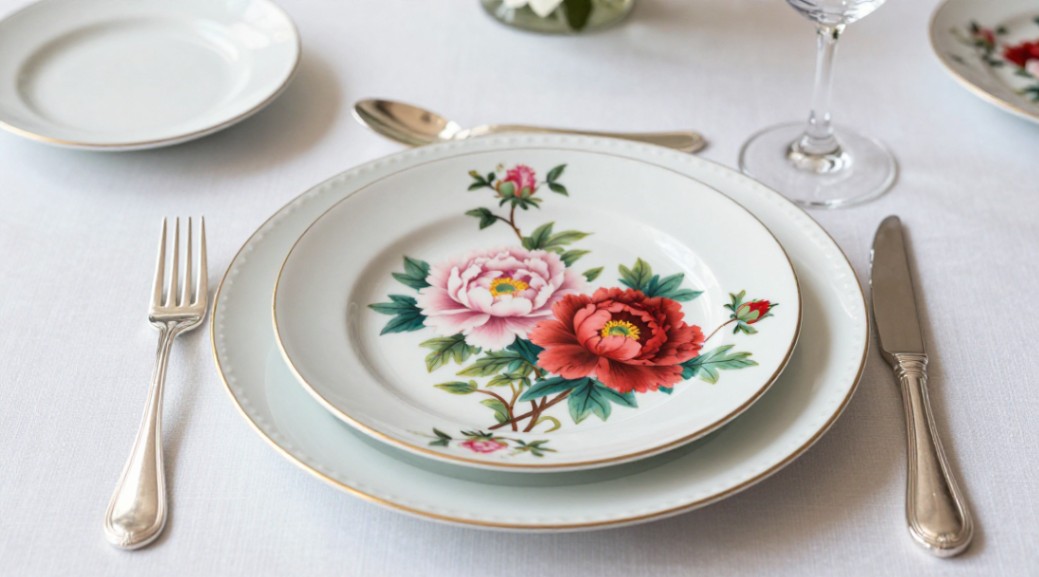
What Defines Authentic Peony Ceramics?
The term “Peony Ceramics” refers to decorative and functional ceramic ware distinguished by its depiction of the peony flower. This isn’t a single brand, but rather a revered artistic tradition. The peony, known as the “King of Flowers” in Chinese culture, symbolizes prosperity, honor, and romance. When rendered on ceramics, it becomes more than a pattern; it’s a narrative.
The Hallmarks of Craftsmanship
True quality in Peony Ceramics is defined by its creation. I see the most prized pieces originating from historic kiln cities like Jingdezhen, often called the “Porcelain Capital.” The material is typically fine porcelain or bone china, prized for its translucency and strength. The artistry lies in the decoration technique.
- Hand-painted Detail: The highest echelon. Artists apply mineral-based pigments by hand, resulting in subtle variations and incredible depth. Each brushstroke on a hand-painted peony ceramic vase is unique.
- Famille Rose (Fencai): An opulent 18th-century technique. It uses a soft pink (rose) palette among other opaque colors to create peonies with a remarkably three-dimensional, almost enamel-like vibrancy.
- Underglaze Blue & White: A classic. Cobalt pigment is painted on the raw clay body before the clear glaze is applied. This technique, seen in blue and white peony ceramics, makes the design permanent and dishwasher-safe.
- Relief Carving: Especially prominent in Dehua white porcelain, where the peony motif is intricately carved into the clay itself, creating a textured, sculptural piece.
Peony Ceramics: Weighing the Advantages and Practicalities
Choosing these pieces means investing in more than a dish. Let’s separate the lasting benefits from the practical considerations.
Key Advantages
The value proposition of fine Peony Porcelain is multi-layered. First, there’s durability. High-fired porcelain is remarkably chip-resistant and, when decorated using underglaze or relief techniques, exceptionally hardy for daily use. Then, there’s the aesthetic depth. Unlike a screen-printed pattern, the visual texture of hand-applied color or carving interacts with light, creating a living piece of art. This craftsmanship often translates to retained or even appreciating value, particularly for pieces from renowned artisans or workshops.
Potential Considerations
Be mindful of the care needs dictated by the technique. While underglaze peony porcelain is virtually bulletproof, hand-painted or Famille Rose pieces with overglaze enamels may require hand-washing to preserve their delicate, raised surfaces over decades. The price point is another factor. Authentic hand-crafted work commands a premium over mass-produced ware. You are paying for an artist’s time and centuries of refined technique.
Peony Ceramics vs. Common Alternatives
How do they stack up against what’s commonly on the shelf? A clear comparison helps.
| Option | Typical Characteristics | Pros | Cons |
|---|---|---|---|
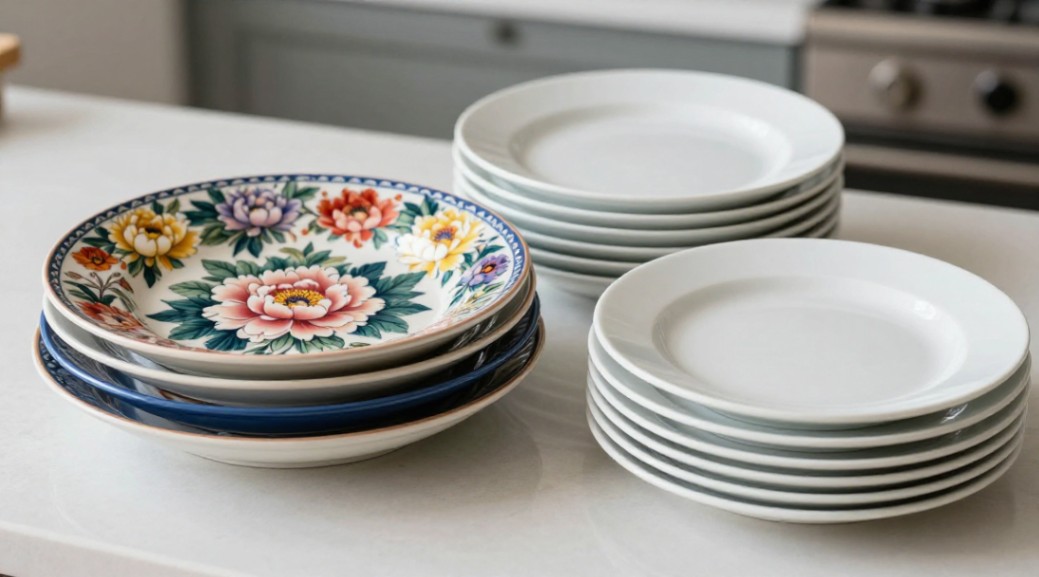
| Mass-Produced Porcelain | Machine-printed patterns, standardized shapes, high-volume output. | Very affordable, widely available, often dishwasher/microwave safe. | Lacks artistic depth, designs can feel flat, little to no cultural or artisanal narrative. |
| Stoneware | Opaque, heavier body, often with rustic, modern, or minimalist glazes. | Extremely durable, great for casual daily use, often oven-safe. | Typically lacks the formal elegance and intricate detail associated with peony artistry. |
| Authentic Peony Ceramics | Fine porcelain/bone china, hand-applied decoration, culturally significant motifs. | Unmatched artistry, heirloom quality, durable body (not necessarily the decoration), carries a cultural story. | Higher initial investment, some techniques require careful hand-washing. |
Where Peony Ceramics Truly Shine: Best Use Cases
Understanding their strengths makes it clear where these pieces deliver the most joy.
For formal dining, a peony ceramic tea set or full dinnerware service elevates the occasion into a ceremony. The pieces become conversation starters. In daily life, selecting a single peony ceramic plate for your morning toast or a peony ceramic ornament for your living room shelf is an act of daily luxury. It’s about choosing to be surrounded by beauty in the ordinary.
They also make profound gifts. A peony ceramic gift for a housewarming symbolizes wishes for a prosperous home. Wedding peony ceramics embody romance and a blessed union. For a business souvenir, a finely crafted piece conveys respect and lasting partnership far beyond a standard logo item.
How to Assess Quality: A Practical Checklist
When you’re ready to look closer, use this guide to examine a piece like a connoisseur.
- Feel the Weight: Fine porcelain should feel substantial yet delicately balanced, not clunky or feather-light.
- Check the Finish: Run your finger over the decoration. Hand-painting and relief peony ceramics will have a tactile, textured surface. A perfectly smooth, uniform pattern likely indicates transfer printing.
- Examine the Detail: Look at the center of the peony. In superior work, you’ll see layered petals, subtle color gradations, and precise brushwork. Fuzziness or bleeding colors can signal lower quality.
- Listen to the Ring: Gently tap the rim with your fingernail. High-fired, well-vitrified porcelain will produce a clear, high-pitched ring. A dull thud can indicate lower firing temperature or density.
- Review the Markings: Look for artist seals, studio marks, or kiln identifiers on the base. These don’t guarantee value but add provenance. Pieces marked “Jingdezhen” or “Dehua” connect directly to those legendary origins.
The world of Peony Ceramics is rich with history and artistry. If this exploration has resonated with you, your next step is simply to seek out dedicated collections. Our website is one resource dedicated to such collections, where you can view the variation—the difference between a Liling underglaze piece and a Famille rose peony porcelain—to further refine your eye and find the piece that speaks directly to you. It’s a journey worth taking for beauty that lasts a lifetime.
发表回复
要发表评论,您必须先登录。